
Interior Design in 2026: Trends That Keep Up With Real Life
Introduction: On the Idea of Trends
Trends in interior design are not about fashion or industry sales strategies. They are the natural result of changes in the way we live. They emerge from real observations: the way we work, rest, things we need in a space, and the way we interact with that space, both physically and emotionally.
These shifts are not always obvious from one year to the next. However, when we look further back, they become much easier to understand. A few decades ago, a small table with a dedicated chair for a landline phone made perfect sense. Today, it stands as a reminder of a lifestyle that no longer exists.
Following trends is by no means a requirement. Still, for those who want to better understand what is happening in contemporary interior design, this article is meant to serve as a practical guide. With that in mind, below is my personal selection of interior design trends for 2026.
Lived-in Revival: returning to real spaces
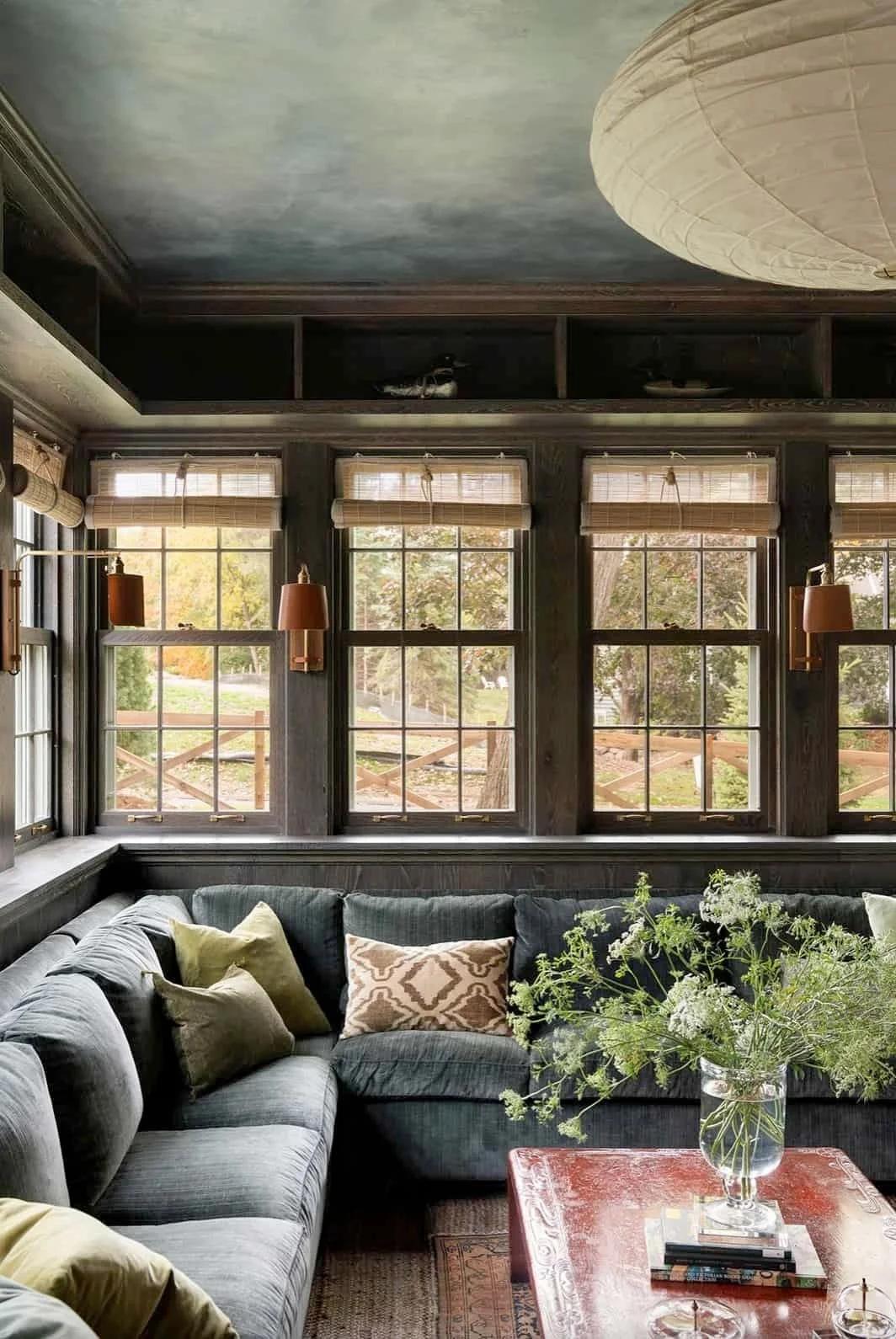
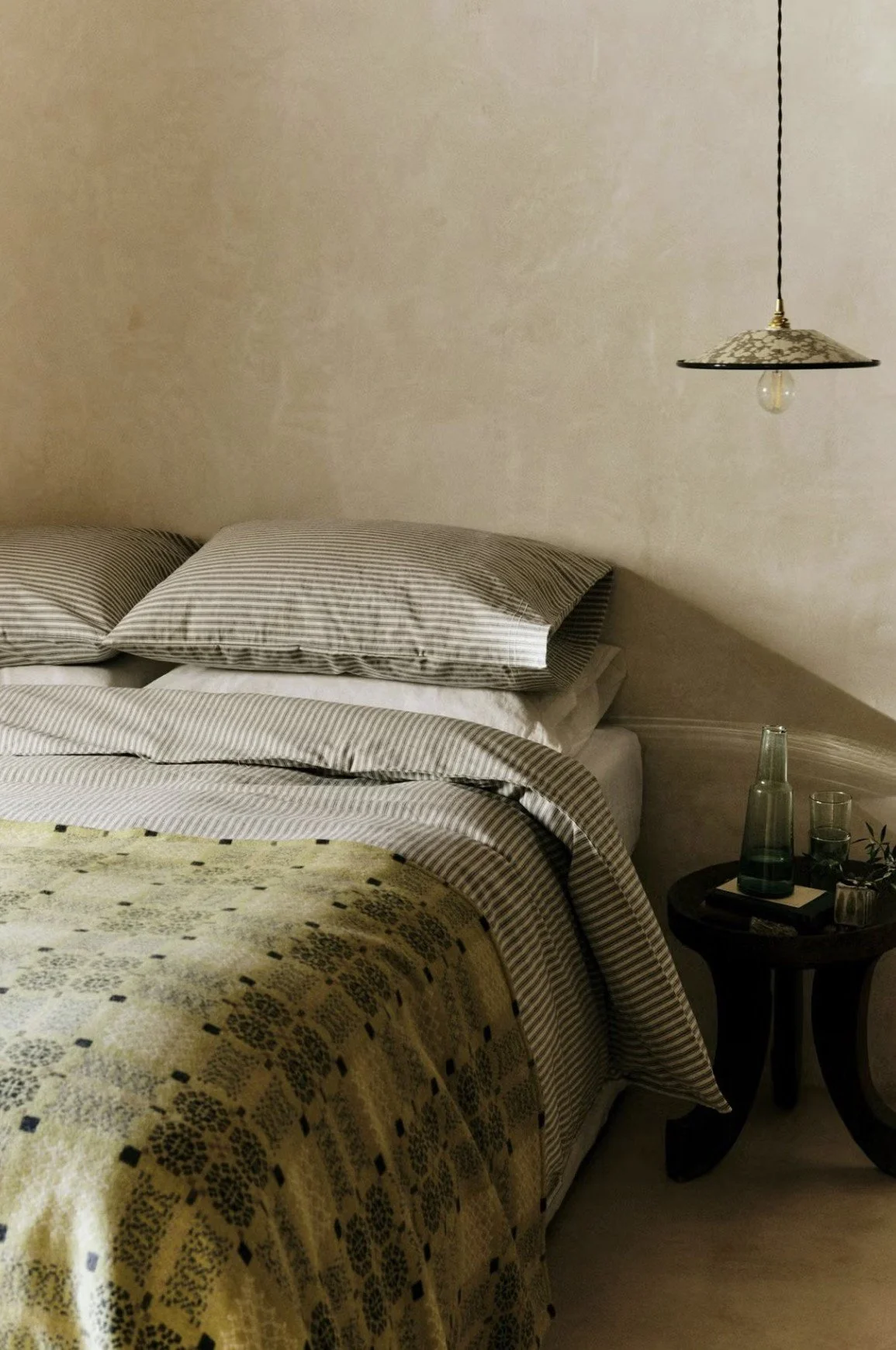
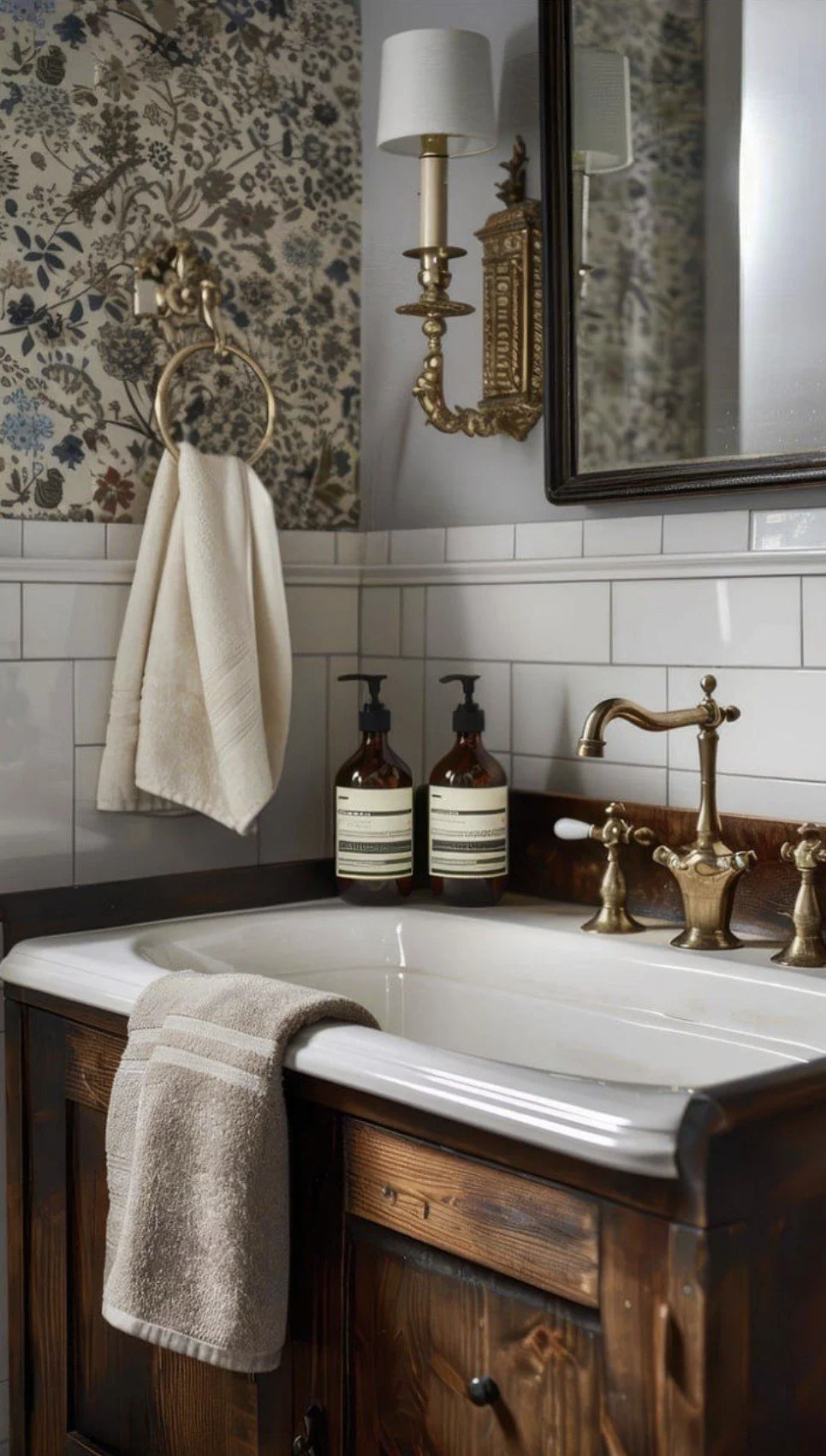
Image Sources: Pinterest, House Beautiful
Lived-in Revival is the defining movement of the year. It marks a shift away from showroom-like interiors and toward spaces with soul. This change comes after years of rigid minimalism, sterile beige palettes, and interiors that felt clean but impersonal.
People are looking for emotional comfort, not just visual appeal. The home is no longer a backdrop. It is a place where life happens fully, including work, rest, and relationships.
A successful interior does not look as if no one lives there, but as if someone lives well.
What It Looks Like in Practice
Furniture with softer, more organic forms
Textures that invite touch, such as wool, cotton, linen, and wood
Pieces that are not perfectly matched, yet work beautifully together
Personal objects on display, including collections, books, art, ceramics, and items with history
Inherited, antique, or vintage furniture
How to Bring It Into Your Home
Replace one item in a perfectly matched set with a piece that has character
Keep some everyday objects visible, accessible, and well organized
Choose textiles with texture and pattern, not just color
Introduce art or objects that say something about you, not only pieces that blend in
Color
In 2026, color is no longer a timid accent. It becomes part of the architecture of a space, used intentionally to create atmosphere, depth, and emotion.
The Color Palette for 2026
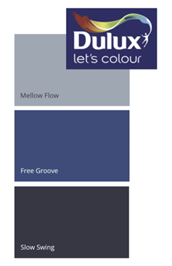
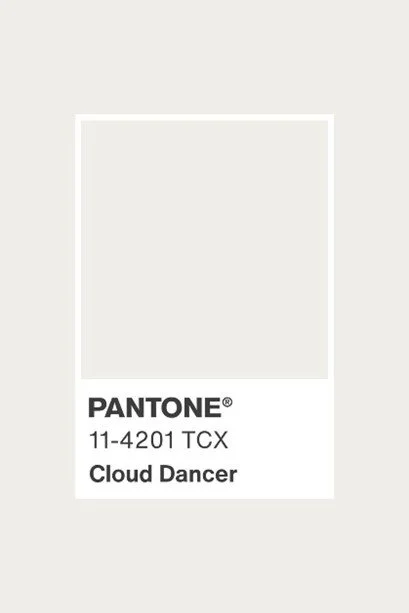
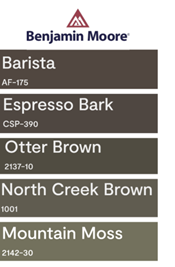
The palette centers on earthy tones such as coffee brown, reddish umber, and artichoke green, alongside blues ranging from navy to bold cobalt to softer sky and ice shades. When it comes to white, the tone is defined by Cloud Dancer, Pantone’s Color of the Year. It is a warm white with yellow undertones that feels optimistic and airy when paired with natural or warm light.
The images above, from left to right, show Dulux’s 2026 selection, Pantone’s Cloud Dancer, and finally a selection curated by me from the Benjamin Moore palette, focusing on some of the earth tones I’ll be reaching for this year.
Color Drenching
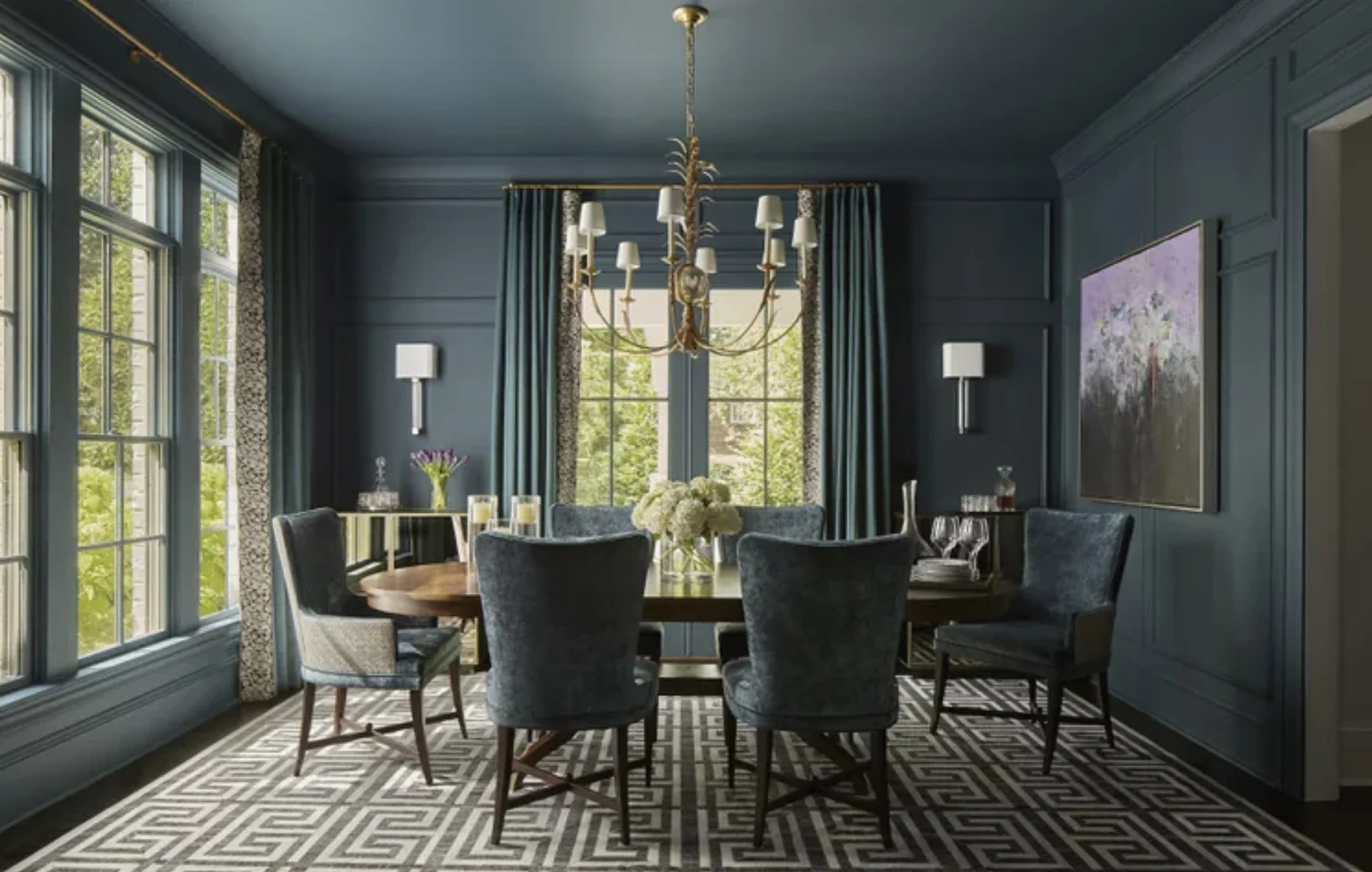
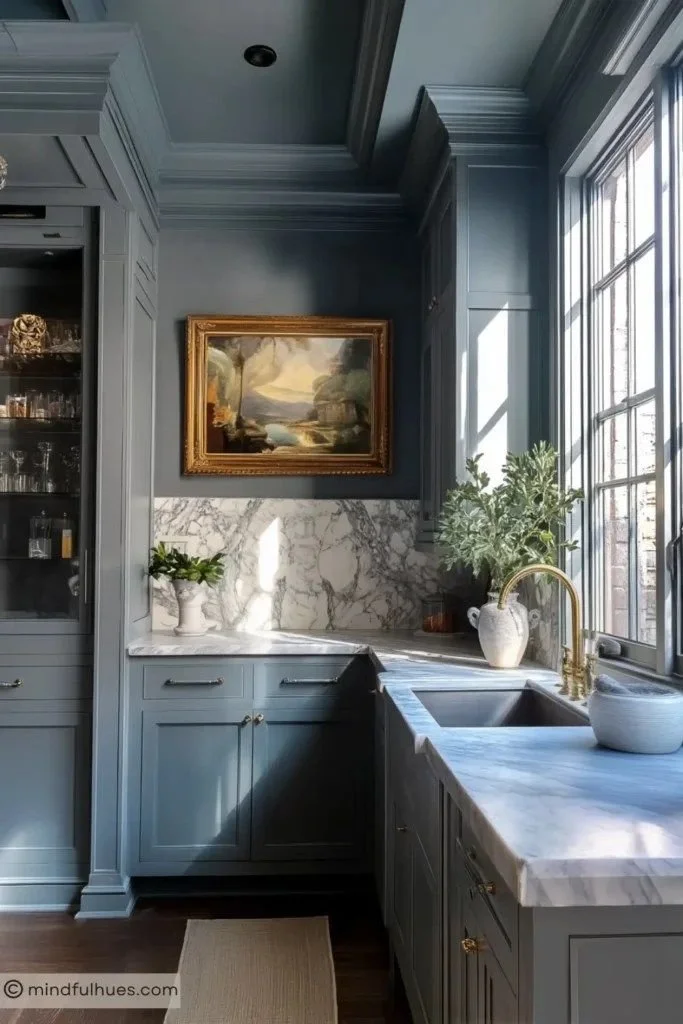
Image Sources: Martha Stewart, Mindful Hues
Color drenching involves immersing a space in a single color by treating walls, ceilings, and details as one unified whole. The result is an interior that feels intentional, cohesive, and visually rich.
It is important to note that the idea that a white or contrasting ceiling always makes a room feel larger is not universally true. This approach can work well in low rooms with abundant natural light, but it can fragment or visually flatten taller or dimly lit spaces. In those cases, a ceiling painted in the same color as the walls often creates better continuity and a stronger sense of volume.
Furniture
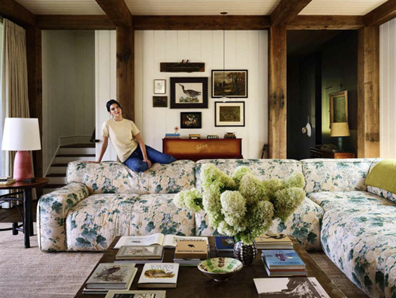
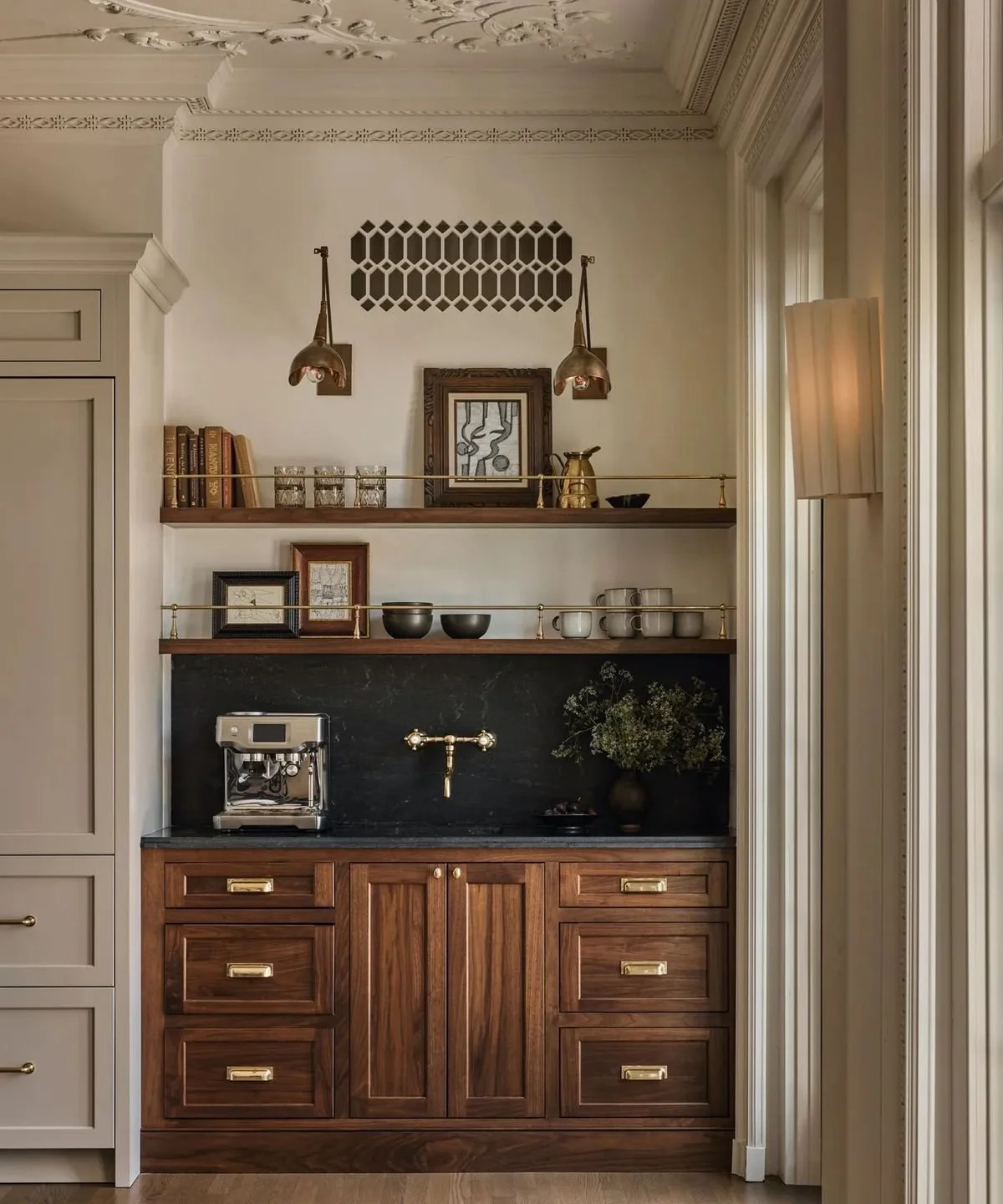
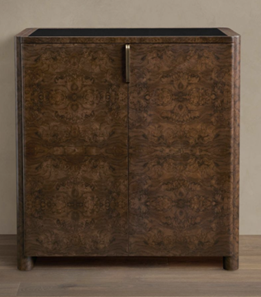
Image Sources: Pinterest
We are seeing a return of dark, chocolate-toned woods, richly figured burl veneers, and imperfect pieces with a story. Seating furniture features details such as skirts, fringe, tassels, piping, and floral or vintage-inspired upholstery.
One notable sub-style is Grandma Chic, which reintroduces elements inspired by our grandparents’ era and brings a sense of comfort and familiarity. This is not about recreating the past, but about rediscovering the comfort, craftsmanship, and attention to detail that once defined furniture design.
Ceramic Finishes
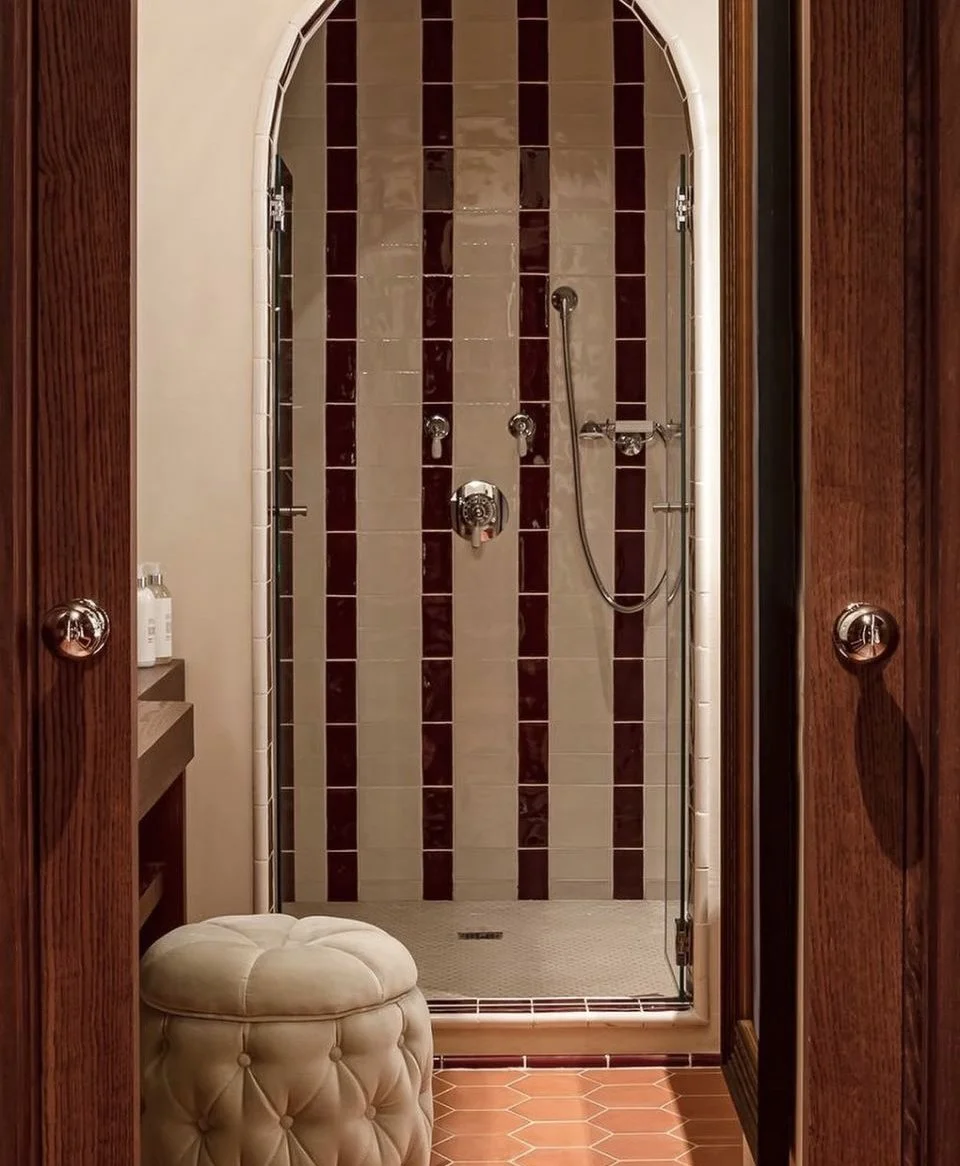
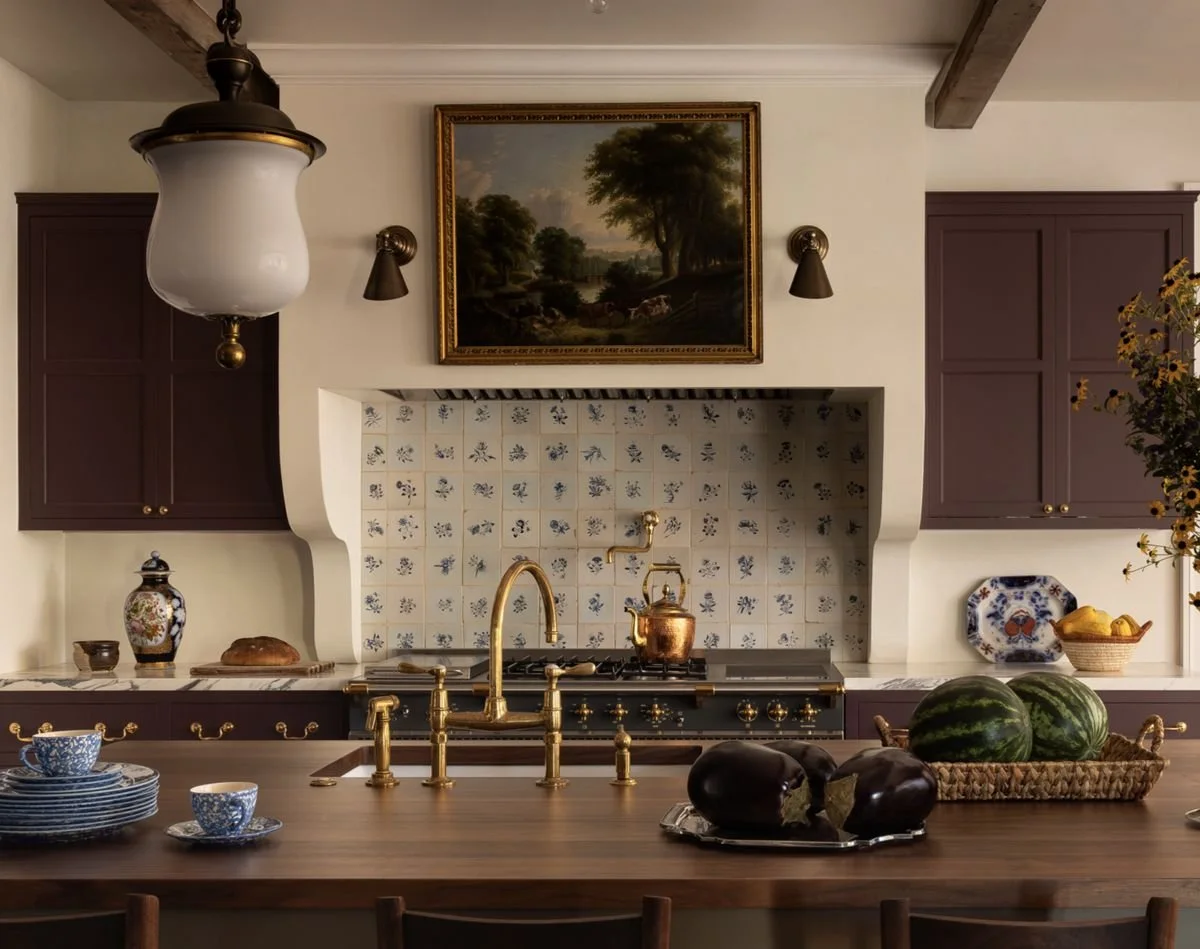
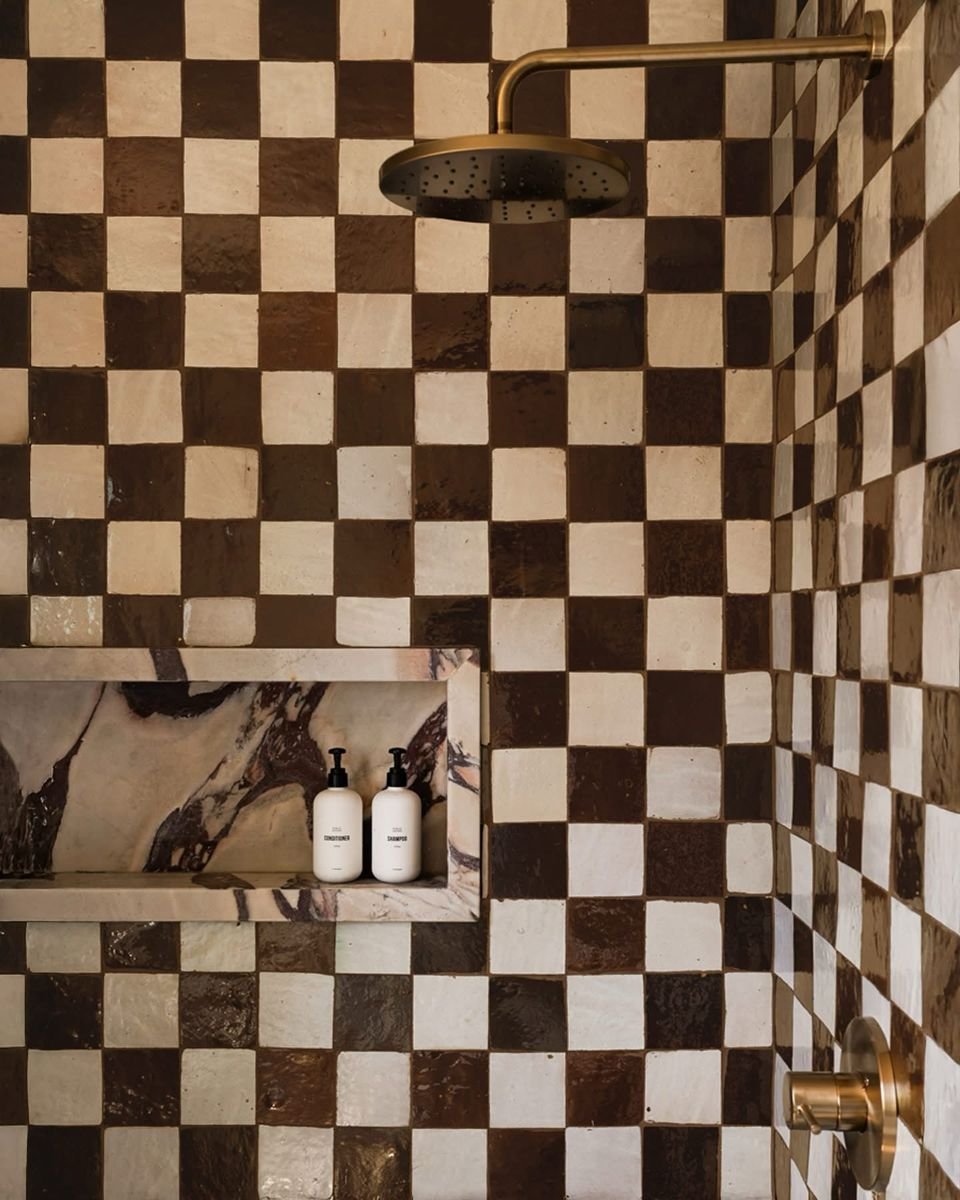
Image Sources: Pinterest
Ceramic finishes are no longer limited to bathrooms and kitchens. They now appear as accents in other areas of the home, including window reveals and architectural details. Handcrafted tiles, hand-painted surfaces, intentionally imperfect finishes, creative layouts, small-scale mosaics, and square tiles paired with colored or complementary grout are all part of this movement.
These finishes provide a welcome contrast in a world dominated by perfectly uniform surfaces.
Decor and Hardware
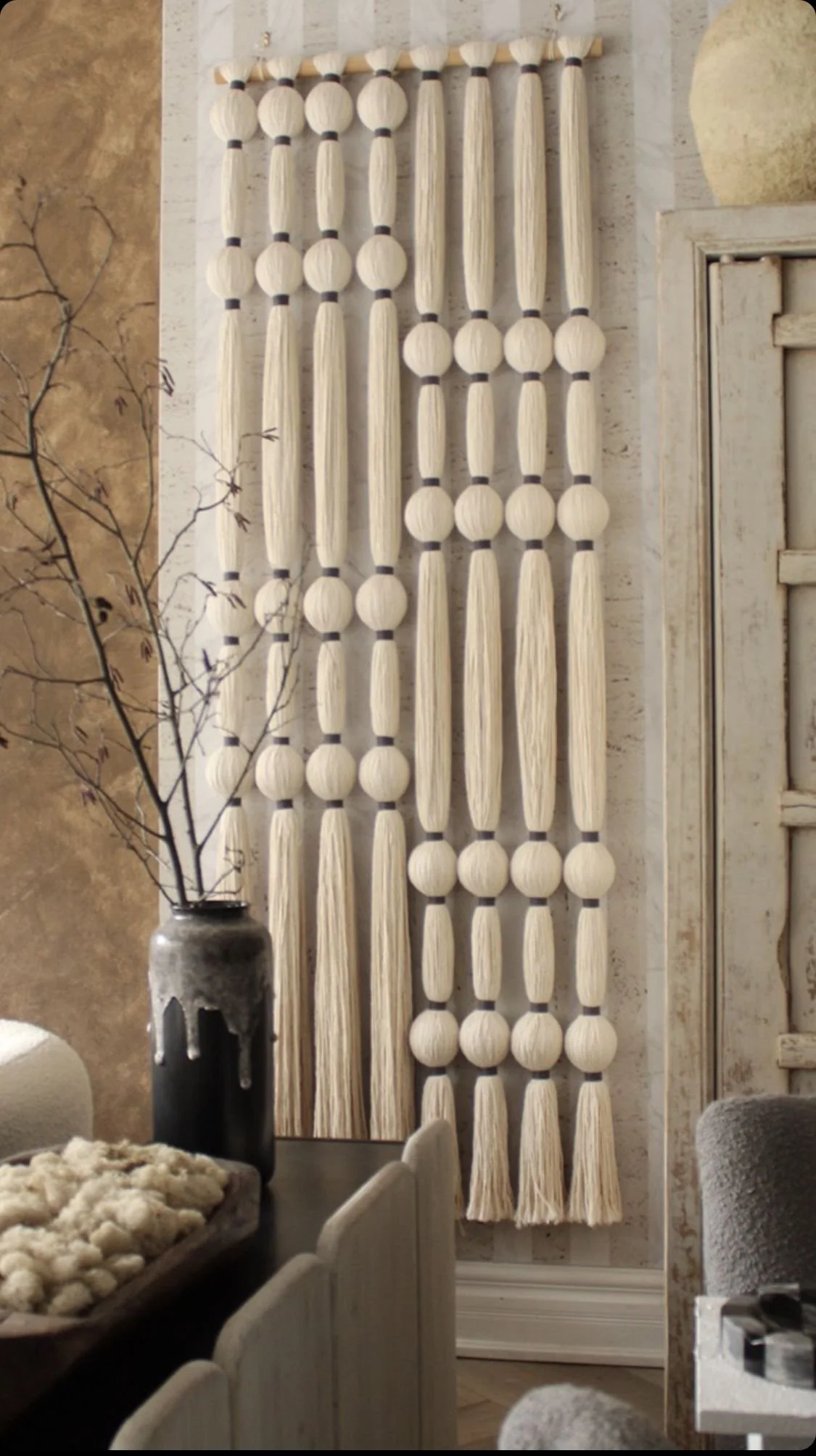
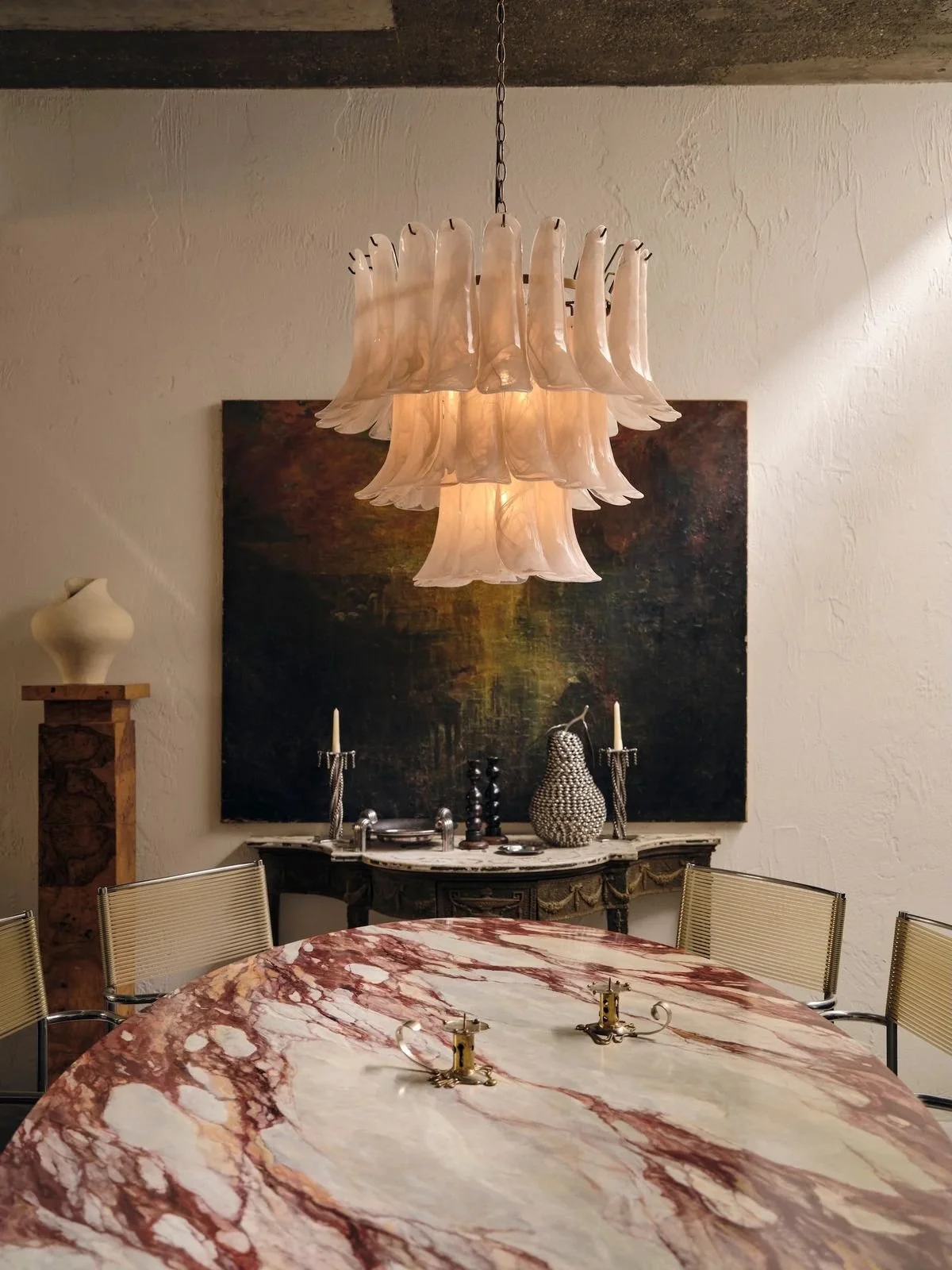
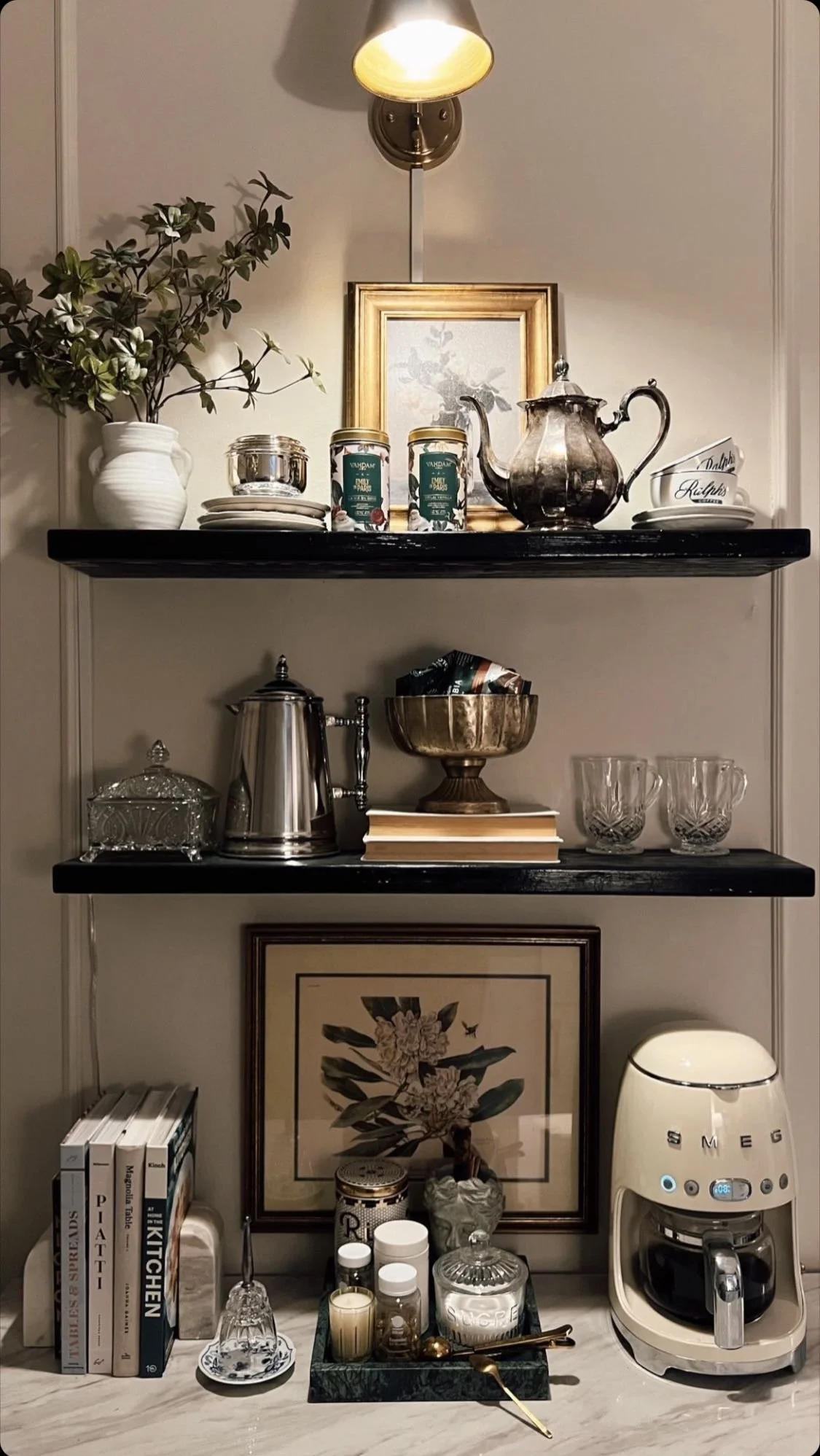
Image Sources: Pinterest
As we move from larger elements to details, silver tones take the lead in 2026. This includes everything from polished chrome to aged and patinated finishes.
Decor follows the same philosophy, with a focus on handcrafted objects such as hand-painted tableware, Murano glass, silver pieces, tapestries, sculptures, and traditional artwork.
Conclusion
Trends come and go, but their purpose is not to dictate how a home should look. Instead, they help us better understand what we need from our spaces. When viewed correctly, trends become tools that guide us toward more thoughtful choices, ones that align with our lifestyles and feel relevant to the present.
Successful interiors are not those that follow every trend, but those that know what to keep, what to adapt, and what to leave behind. Whether we are talking about color, materials, furniture, or details, the principle remains the same: creating a space that works for you, reflects who you are, and offers real comfort, not just a beautiful image.
Ultimately, interior design is not about keeping up with trends. It is about finding balance between what is current and what is authentic. When that balance is achieved, a home becomes more than a visual setting. It becomes a place that truly supports everyday life.

Original article in Romanian, written for De Meserie Femeie available here.
