
Custom Built Furniture vs Retail and Vintage Finds: Balancing Function, Story and Style
When you begin shaping a home that feels like you, one question always arrives sooner or later: should you invest in custom pieces, or choose ready made furniture from brands, boutiques or vintage markets? Both options can work beautifully. Both can disappoint. The art is knowing when each one serves your space and your lifestyle.
This decision is not only practical. It is aesthetic, emotional and deeply connected to the kind of home you want to live in. A home should enrich you, not feel like a collection of compromises.
In Romania, custom furniture is extraordinarily common compared to Western Europe. The outcome is easy to spot. Many homes end up looking surprisingly similar, built to fill space rather than express personality. This is not a criticism of local workshops. It is an invitation to choose more intentionally. Let the expressive, visible pieces come from thoughtful ready made or vintage sources, and use custom work where it truly solves a spatial or ergonomic need.
Defining each option

Ready made furniture includes anything already produced: retail pieces, design brands, second hand finds or antiques. You can see the materials, test the comfort and understand the character of the piece before bringing it home.
Image Source: Four Hands
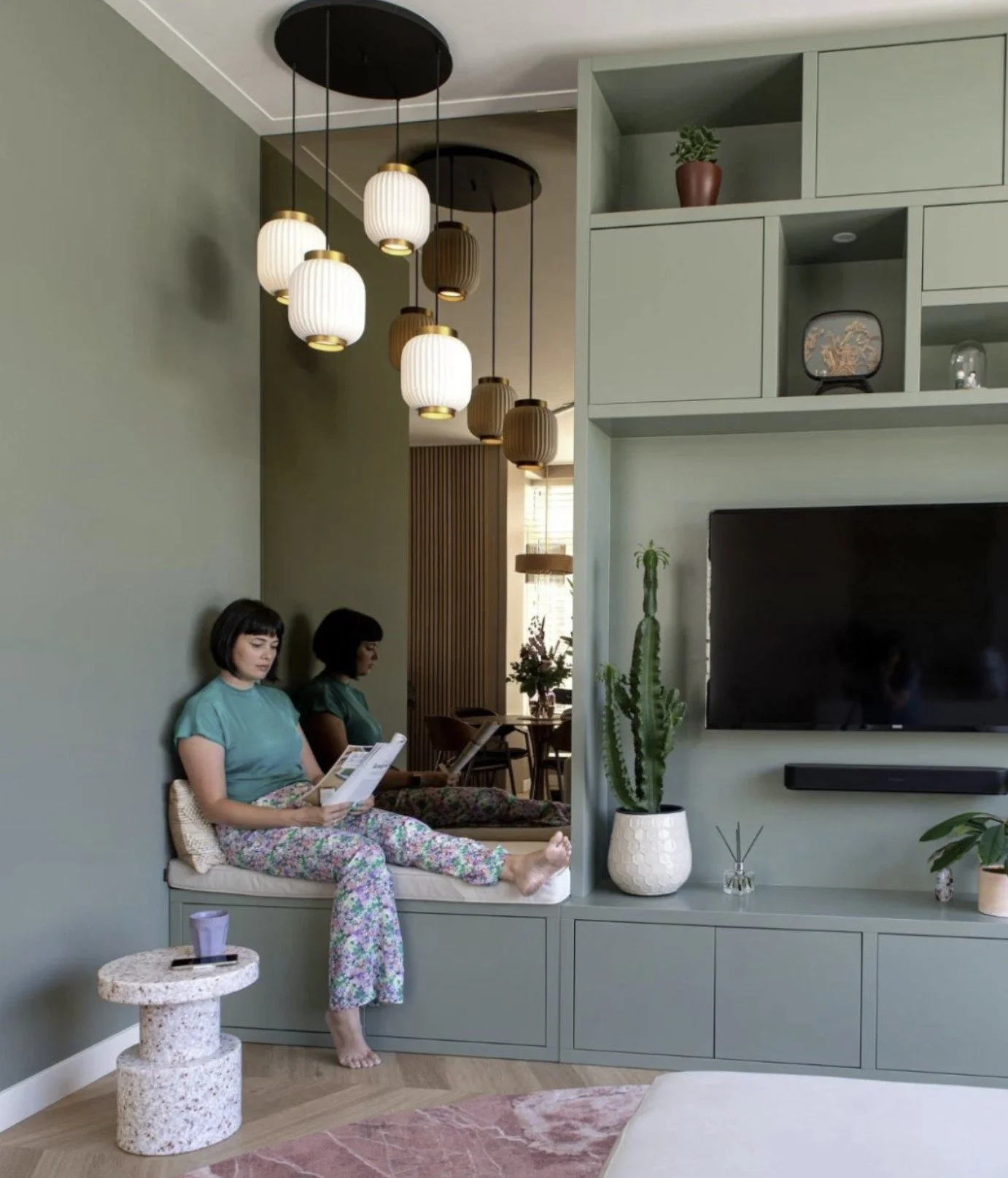
Custom furniture includes built in storage, bespoke millwork, upholstered pieces or solid wood items created specifically for your project. Many local workshops rely on particleboard or MDF because they are cost effective and widely available.
Image Source: Pinterest
The Quiet Value of Designed Objects
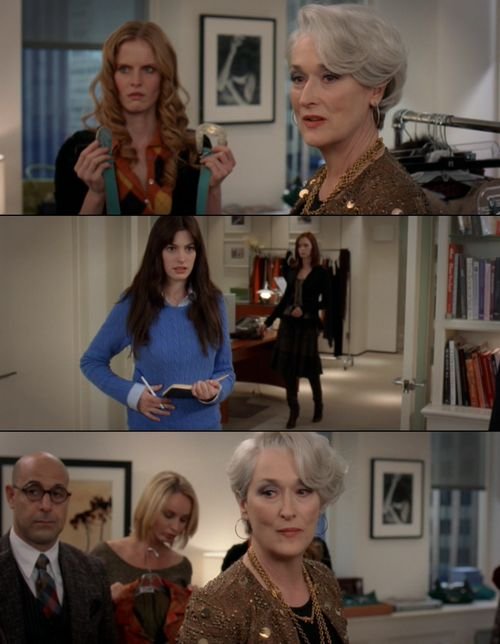
This… “stuff”? Oh, okay. I see, you think this has nothing to do with you.
You go to your closet and you select that lumpy blue sweater, for instance, because you're trying to tell the world that you take yourself too seriously to care about what you put on your back.
But what you don't know is that that sweater is not just blue. It's not turquoise. It's not lapis. It's actually cerulean.
And you're also blithely unaware of the fact that in 2002, Oscar de la Renta did a collection of cerulean gowns. And then I think it was Yves Saint Laurent who showed cerulean military jackets? And then cerulean quickly showed up in the collections of eight different designers. And then it filtered down through the department stores and then trickled on down into some tragic Casual Corner…where you, no doubt, fished it out of some clearance bin.
However, that blue represents millions of dollars and countless jobs.
And it's sort of comical how you think that you've made a choice that exempts you from the fashion industry when, in fact…you're wearing a sweater that was selected for you by the people in this room…from a pile of "stuff."
This monologue reveals something essential. Good design is never accidental. It carries the weight of countless decisions made long before an object reaches your hands. A ready made furniture piece designed by a thoughtful studio works the same way. It comes from a chain of creative direction, material research, cultural influence and technical refinement.
Custom furniture, especially when built primarily from particleboard or MDF, often does not carry that same narrative depth. It solves a functional need, but it does not always arrive with a lineage of design intention. This does not make it less useful. It simply means its value lives in practicality rather than in heritage. It solves problems, yet rarely becomes the soul of a room.
Advantages & disadvantages of each
Custom Furniture
Advantages:
• Fits the exact morphology of your space, from corners to height irregularities.
• Offers full control over ergonomics and internal organization.
• Allows integration of technical elements such as audio systems, hidden sockets, and specialized drawers.
• Can be repaired or refined if made with solid materials and proper joinery.
Disadvantages:
• The design is often repetitive and lacks personality.
• Execution varies widely. Small workshops may lack industrial precision, resulting in uneven edges or drawers that do not glide smoothly.
• Longer waiting times and a higher risk that the final product does not match the initial vision.
Ready Made Furniture
Advantages:
• High quality industrial pieces undergo consistent quality checks and use tested hardware.
• Vintage or second hand solid wood pieces bring character, history and longevity.
• Easy to move, resell or refinish.
• Larger producers often implement sustainable or certified materials.
Disadvantages:
• Might not fit the space perfectly.
• The market includes cheap, low quality options that require awareness and knowledge to avoid.
• Trend based pieces might date quickly, while well designed wooden pieces remain timeless.

Image Source: Pont22
Recommended approach
Invest in the visible, tactile pieces that tell your story: the sofa, dining table, chairs, a living room cabinet. Choose quality ready made pieces or solid wood vintage finds whenever possible.
Use custom furniture only where function demands it: kitchens, closets, built in storage, wall to wall shelving.
Avoid furniture that feels disposable. If a custom piece is built from thin particleboard with poorly applied edges and cheap hardware, ask yourself: will I repair this more often than I should? A smart investment lowers long term costs.
Practical Tips for Choosing Well
In stores:
Look at structure. Supporting elements should feel solid. Check edge banding, drawer glides, and hardware. Avoid thin boards and visible glue.
Vintage or flea markets:
Check for structural integrity, signs of pests, and improvised repairs. Natural patina is an advantage. Instability is not.
Materials and health:
Look for FSC certified wood and low emission classifications for composites like E0, E1 or CARB2. Choose natural oil or low emission finishes, especially for children’s rooms.
For custom orders:
Request material samples, hardware details, exact technical drawings, and warranty information. If a workshop cannot guarantee quality, explore alternatives.
Why This Matters
A home furnished entirely with custom pieces risks losing its soul. When every element is built merely to fill space using the same modules, hardware and standardized finishes, the interior becomes predictable. There is no contrast, no history, no layered identity. The home stops reflecting who you are.
Conclusion: A Call to Taste and Responsibility
No one says you must abandon custom furniture. Instead, learn to demand quality when you choose personalization, and rediscover the beauty of well designed ready made pieces and vintage finds.
Choose furniture that endures. That can be repaired. That carries personality.
Let’s stop building homes that feel like cardboard. Let’s build homes with soul and intention.

Original article in Romanian, written for De Meserie Femeie available here.
